Sow Now, Reap Later: A Guide to Choosing Vegetables for Your Fall Garden
The best salads of the year often come in October. Getting them means sowing in the hottest weeks of summer, and counting backward from the first frost.
Published 2 min read
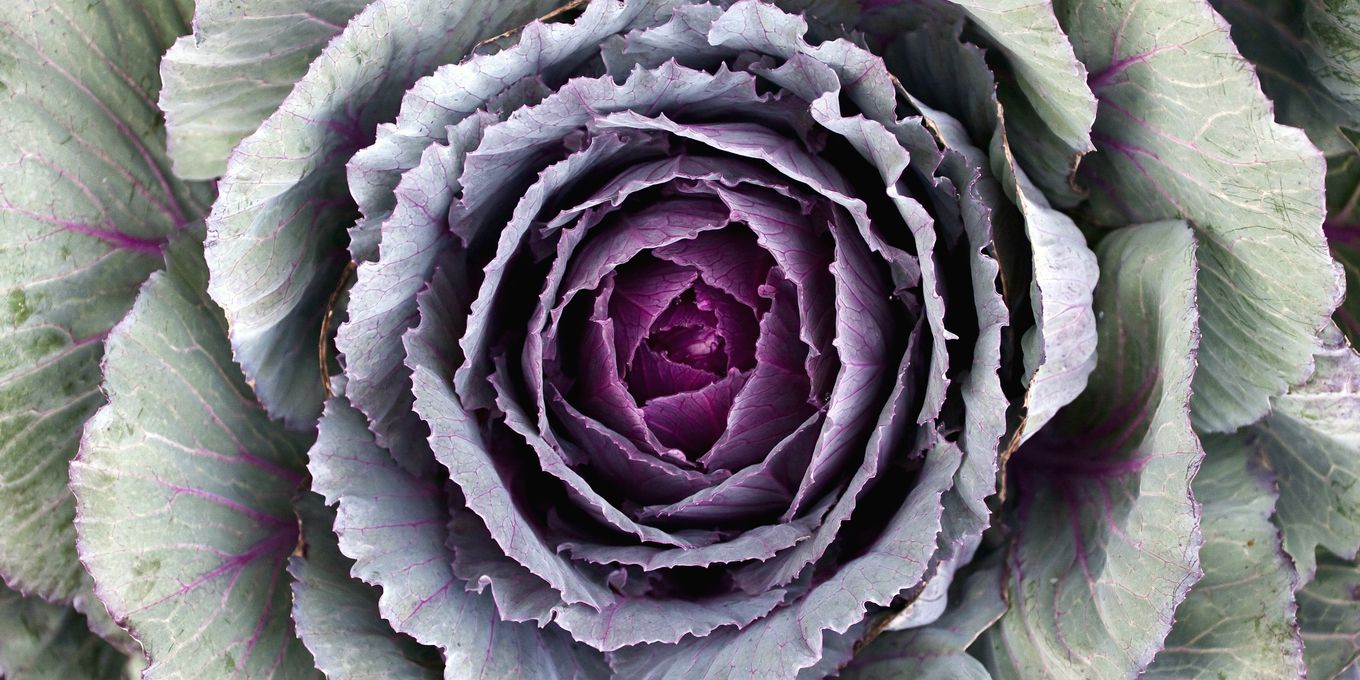
Spring is the traditional planting season, but many vegetables grow better into autumn. Warm days and cool nights sweeten carrots and leafy greens, insect pressure eases for many crops, and cool-season vegetables that bolt in summer heat hold in the ground for weeks. The catch is timing: a fall crop has to be sown while it still feels like summer.
Count back from the first frost
Start with the average date of the first killing frost for your area, which a county extension office can supply. Virginia Cooperative Extension sets out a simple count: take the variety’s days to maturity, add the days from seed to transplant if you raise your own seedlings, add the length of the harvest period, then add a fall factor of about two weeks, because growth slows as days shorten and cool. Crops killed by frost, such as beans and squash, need two more weeks on top. Count that many days back from the frost date to find the last sensible planting day.
Good choices for a fall bed
Kale
The hardiest of the common greens. Frost sweetens the leaves, and in many areas it keeps producing into winter.
Spinach
In the long, hot days of summer it bolts and turns bitter. Sown in late summer it grows steadily, and in milder areas it can survive the winter to give an early spring picking.
Lettuce
Tolerates light frost and grows quickly. Lettuce seed often fails to germinate in very warm soil, so sow it in the evening, in a shaded spot, or after a cooler spell.
Carrots
Sow directly, since they do not transplant. Cool nights make the roots crisp and sweet, and with a heavy mulch they can be dug through much of the winter in many areas.
Radishes
The quickest crop of all, ready in about a month. Sow small batches every week or two for a steady supply.
Broccoli and Brussels sprouts
Both tolerate frost and taste better for it, but they need time. Set out transplants rather than seed, and in colder regions put them in by midsummer. Brussels sprouts in particular need a long season and suit areas where fall lasts.
Getting seed up in August
Hot, dry soil is the main obstacle. Sow when the soil is moist after rain, or soak the bed the day before. Plant seeds about twice as deep as in spring, where the soil stays cooler and damper, and keep the surface moist until seedlings appear. A board laid over the row until the first sprouts reach the surface holds in moisture; lift it as soon as they do. A light mulch between rows keeps the soil cool once plants are up.
Fall gardens are not pest-free. Cabbageworms can be worse late in the season, so check the undersides of broccoli and kale leaves. Rotate crops so that cabbage-family plants do not follow each other in the same spot.