3 Reasons Why You Need To Water Trees In Winter
Turning the watering off for winter saves water only if the rain and snow arrive. In a dry winter, trees pay for it the following summer.
Published 2 min read
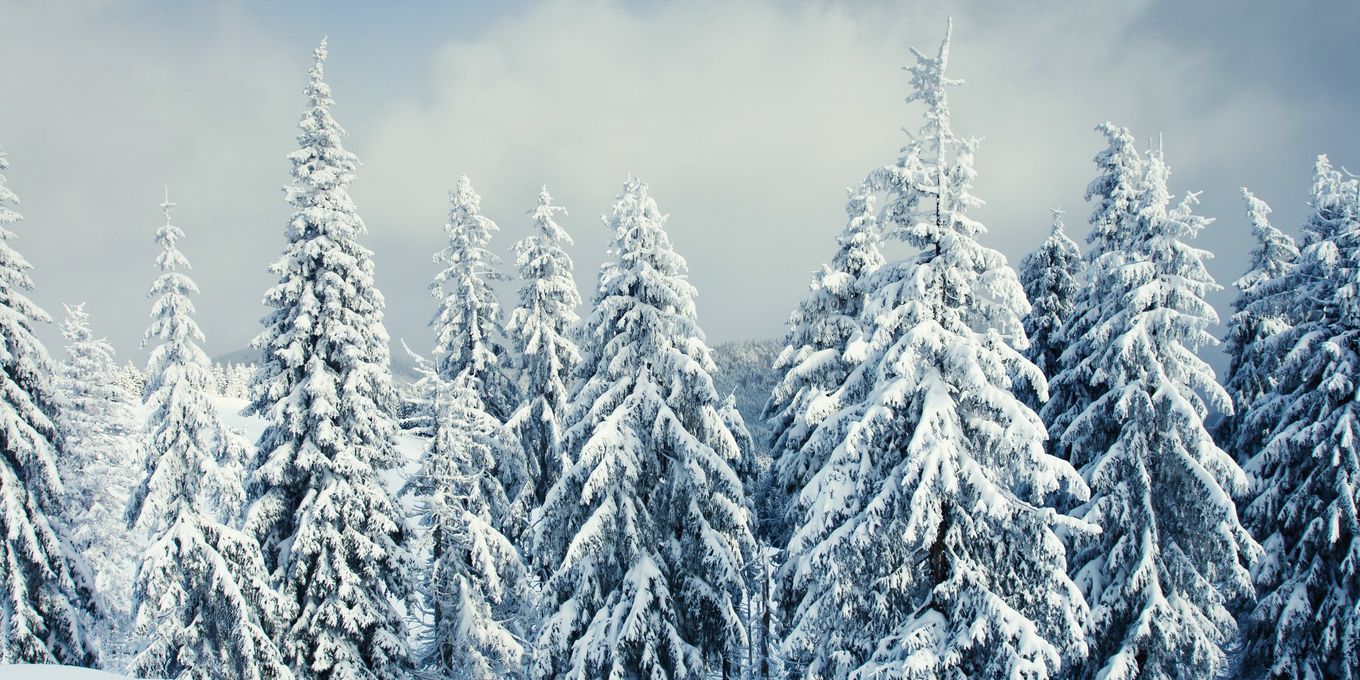
When water is short, trees are often the first thing cut from the schedule in winter. They have dropped their leaves, the lawn has stopped growing and the sprinklers are off. In a normal year that does no harm, because rain and snow keep the soil moist. This is not shaping up as a normal year in much of the West. The U.S. Drought Monitor shows nearly all of California in drought as the year ends, after a dry autumn and a run of warm days.
1. Roots keep working
A dormant tree is resting above ground, but its roots are not. Roots take up water whenever the soil is unfrozen, and they can grow in cool soil, slowly, from somewhere between about 32 and 41 degrees Fahrenheit upward. In mild climates, autumn and early winter are a main season for new fine roots, the ones that will supply the spring flush of leaves. Dry soil stops that work.
2. Dry winters still draw water out
Bare branches lose little water, but they lose some, and evergreens keep losing it through their needles and leaves all winter. Wind, low humidity and sunny, mild days speed the loss. In mild-winter regions such as most of California, evapotranspiration never drops to zero, and a warm, dry spell in January can use up soil moisture faster than many gardeners expect.
3. The damage shows later
A tree short of water in winter rarely looks sick in winter. The bill arrives in spring and summer as dieback in the canopy, scorched leaves, weak growth and a tree more open to borers and disease. Mature trees are the slowest and most expensive part of a garden to replace, and it can take decades to grow back the shade a lost one provided.
How to water in winter
Colorado State University Extension gives a rule that travels well. During dry spells without snow cover, water once or twice a month, only when the air is above 40 degrees and the ground is not frozen, and do it around midday so the water soaks in before night. Give about 10 gallons for each inch of trunk diameter, measured 6 inches above the ground, so a 2-inch tree gets 20 gallons. Spread it around many spots under the canopy and beyond it, since that is where the absorbing roots are, and aim to wet the soil about a foot deep.
A layer of mulch over the root zone, kept a few inches away from the trunk, holds that moisture in. In California and other places where winter rain is the main supply, check the soil before each watering. If a storm has soaked it, skip the turn.