Skip to the text

Watering, soil and the plants in between
Root Zone

When to water, how much to give and how to read the soil, for garden beds, lawns and trees

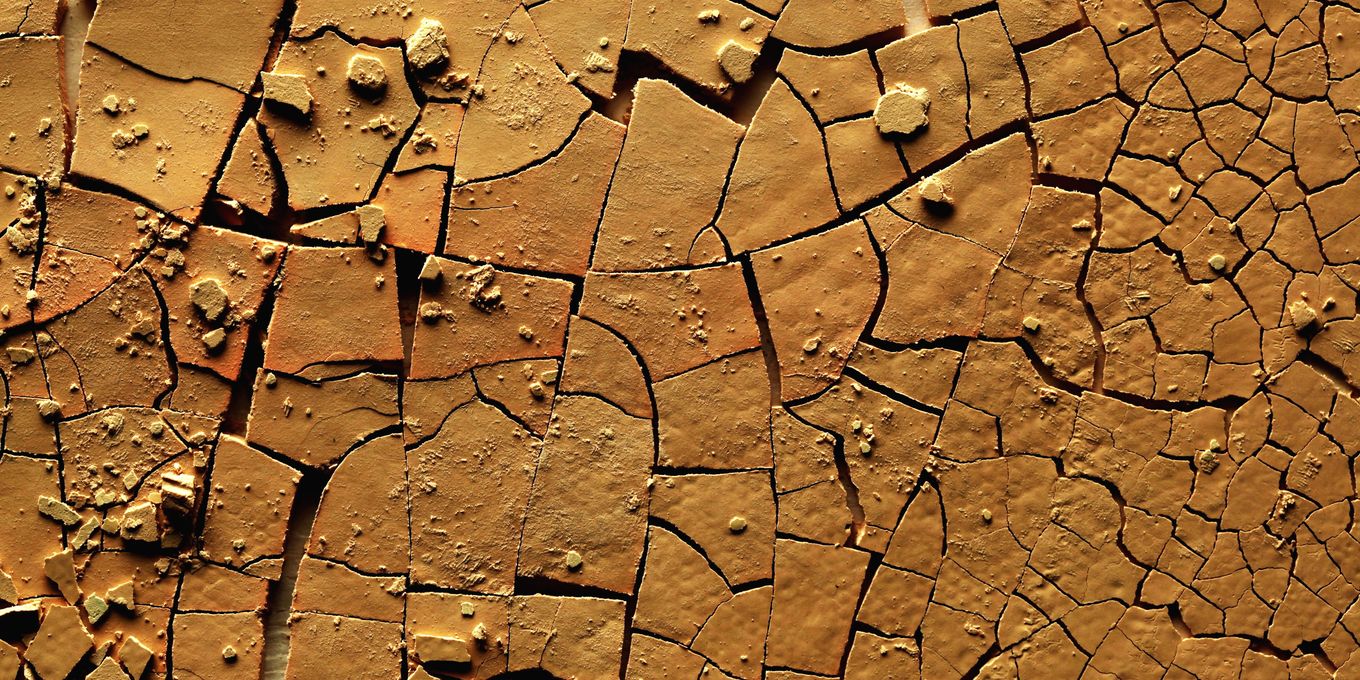
Dry clay soil split into plates

Water quality and soil

Clay, sand and the same inch of water

Large, rounded sand grains leave wide gaps, while clay is made of tiny flat particles packed tight. South Dakota State University Extension, in a short note on how soil holds water, sums up the outcome: sand lets water through fast and keeps little of it, and clay takes it in slowly and grips it hard.

More reading for the garden

Dry golden grass under a low evening sun

Watering

Letting a lawn go dormant in summer

A brown cool-season lawn in August is often resting, not dead. Which grasses can go dormant, how long they last, the small watering that keeps crowns alive.

Old broad-crowned trees on a grassy bank in summer

Where to start

Root Zone is about getting water to the roots and stopping there, whether the roots belong to a vegetable bed, a lawn or a young tree.

The three sections

  • Watering covers how much to give and how often, and how to read a plant that looks wrong.

  • Water quality and soil covers what is in the water and how the soil it lands on takes it in and holds it.

  • Crops, drought and climate follows particular crops and the dry and wet years that decide how much watering a season takes.

First reads by subject

Rules that hold in most gardens

  • Check the soil before watering. A finger or a trowel pushed a few inches down says more than the calendar, and a soil moisture sensor does the same job for a bed on a timer.

  • Water the root zone deeply, then let it dry a little. A soak that wets the soil where the roots are builds deeper roots than a daily sprinkle that wets the top inch.

  • Let the soil and the weather set the timing. Sand needs smaller, more frequent waterings than clay, and how much of a storm reaches the roots decides whether the next run is needed.

  • Mulch bare soil. Two to three inches over the root zone slows drying between waterings.

No single schedule fits every garden. The plant, the soil, the weather, the age of the planting and any local watering rules all change the answer, so the pieces give ranges and the reasons behind them. Every piece is dated, and the full list, newest first, is under all pieces.

Watering

All of Watering
Green meadow and a farmhouse under clearing cloud

5 Rules For Getting The Most Benefit From Rainfall In Your Garden

Rain is the cheapest water a garden will ever get, and much of it is wasted. Some evaporates before it soaks in, some runs off into the street, and some falls on soil that is already full. Whether you tend a vegetable patch, a few shrub beds or an allotment plot, the same rules decide how much of a storm the plants actually use.

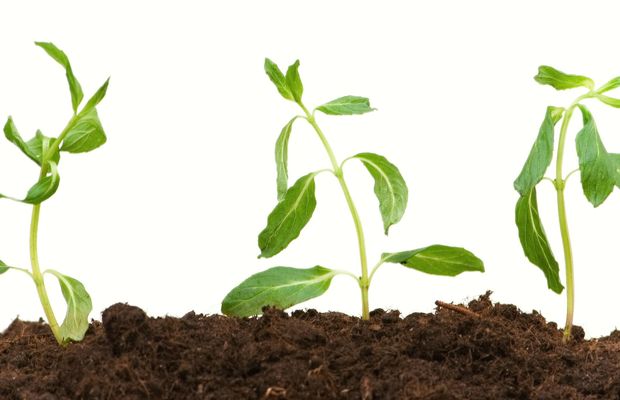
Three young seedlings in dark, moist soil

Quick Guide: Soil Moisture Sensors

Most watering is done by habit or by the clock: every other morning, ten minutes a zone, more in July. A soil moisture sensor replaces the guess with a reading from the root zone. It shows when the soil has dried enough to need water, and, read after an irrigation, whether the water got down to where the roots are.

Spruce trees heavy with hoarfrost and snow

3 Reasons Why You Need To Water Trees In Winter

Bare branches hide roots that go on drinking whenever the soil stays unfrozen, and evergreen needles give up moisture right through the cold months. For a dry spell with no snow on the ground, Colorado State University Extension suggests a midday soak once or twice a month on days above 40 degrees, roughly 10 gallons per inch of trunk width.

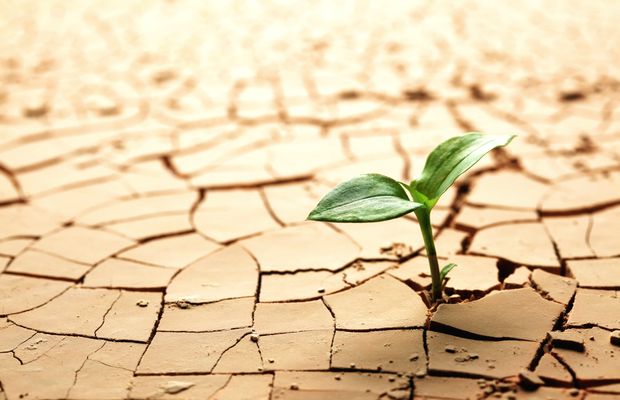
A seedling growing out of dry, cracked ground

When the allotment pump dies in July

A Polish allotment plot draws water from the garden’s network, a well or the roof of its arbor, and after a spring the weather service rated extremely dry, all three ran short by July. When a pump gives out in that heat, the watering cans come out first, and the next question is whose repair it is, and how to pay for it, from the season’s budget or a short loan through Wandoo.

Water quality and soil

All of Water quality and soil
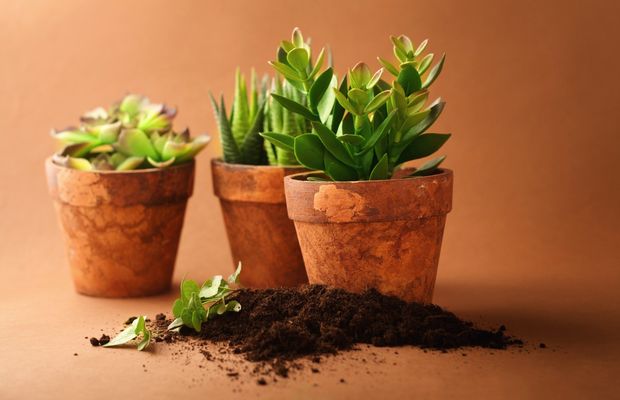
Three clay pots of succulents beside a heap of potting soil

How To Complete A Soil Test The Right Way

A soil test replaces guesswork about lime and fertilizer with numbers. What it measures, when to sample, and how to collect a sample a lab can trust.

Waterfalls spilling into a clear green lake

Seven Quotes About Water

Seven short lines about water from Franklin, Thoreau, Auden, Eiseley and others, with a note on where each one comes from and why it still rings true.

Crops, drought and climate

All of Crops, drought and climate
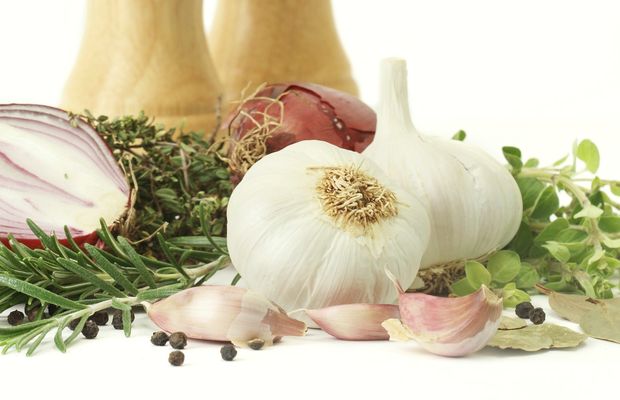
A red onion, garlic bulbs and herbs

5 Tips To Grow Great Onions

Onions bulb by day length, root shallowly and sulk in dry soil. Five tips on choosing the right type, planting, watering, feeding and curing a home crop.

Cracked dry ground under heavy storm clouds

5 Causes Of Drought

Drought starts with missing rain, but heat, stalled high pressure, dry soil and human demand decide how bad it gets. Five causes, and the 2019 flash drought.

Red poppies and blue cornflowers in a meadow

Resources For Drought Tolerant Plants

What drought tolerant really means, why a hardiness zone will not tell you, and where to find plant lists that fit your own region's rainfall and soil.

Older guides worth a look