5 Rules For A Successful Water Audit
Most sprinkler systems are set once and then left alone for years. An audit takes an afternoon and shows where the water actually goes.
Published 4 min read
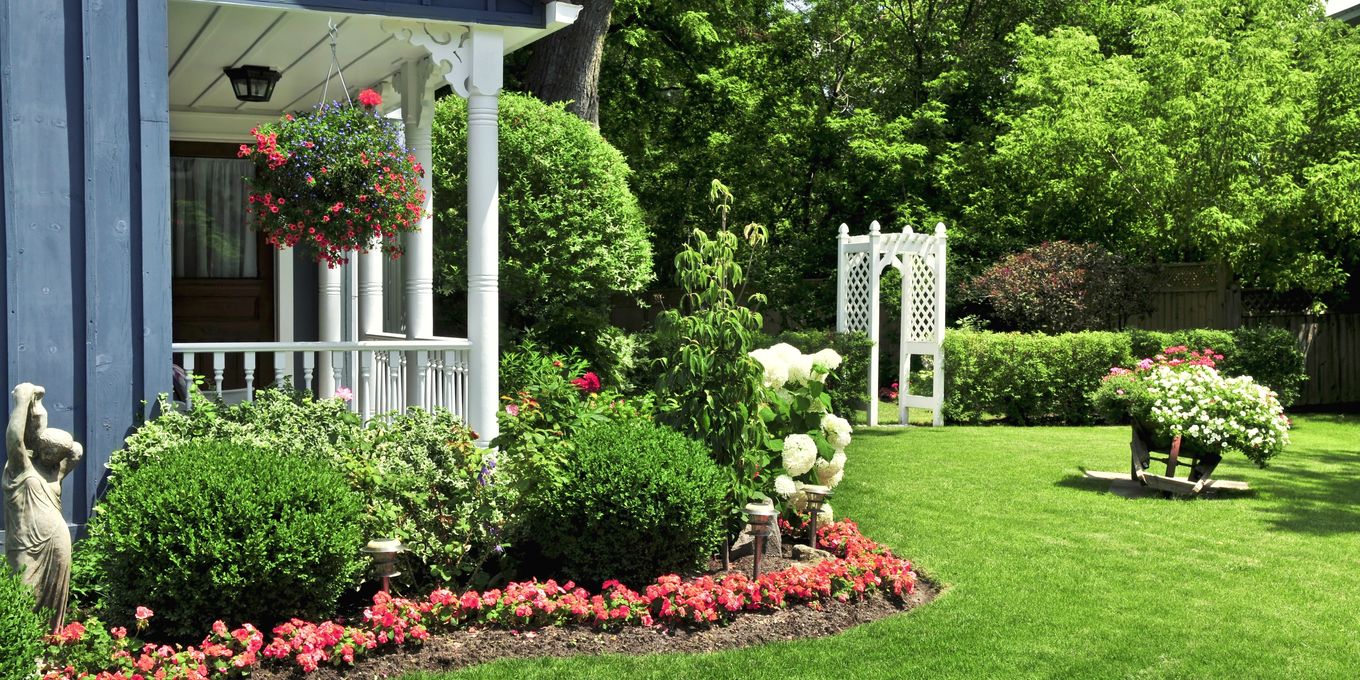
The EPA’s WaterSense program estimates that American homes use nearly 9 billion gallons of water a day outdoors, mostly on lawns and landscapes, and that as much as half of it is wasted through evaporation, wind, runoff and overwatering. A water audit is the way to find out how much of that waste belongs to one property. Utilities audit their networks by comparing the water they treat and pump with the water their customers are billed for. A home or landscape audit asks a simpler question: how much water goes onto the garden, where does it land, and how much do the plants really need?
Certified irrigation auditors do this for large sites, but the method needs only a notebook, a set of identical containers and an afternoon.
1. Start with what is already there
Before changing anything, record how the system works today. Note the controller’s make and age, how many stations it has and how many are in use, and the run times and start times set for each. Take a photo of the controller and its settings. Then turn each station on in turn and walk it. This walk, often called a wet check, is where most problems show up: broken or sunken heads, heads blocked by grown-up shrubs, nozzles spraying the driveway, leaking valves and puddles that point to a cracked pipe.
Look at the pressure too. Spray heads that mist into a fog instead of throwing droplets are usually running at too high a pressure, and much of that fine spray drifts or evaporates before it lands. A pressure gauge on a hose bib gives a static reading for the whole system.
2. Map every zone
Sketch the property and mark the area each station waters. For every zone, write down the type of emitter (spray heads, rotors, drip, bubblers), what is planted there and how much sun it gets, the slope, and the soil. This inventory is what turns findings into decisions. A zone of spray heads watering a bed of shrubs, for example, offers two savings at once: the shrubs need less water than lawn, and drip would put it at their roots instead of on the leaves and paths.
3. Measure what the system applies
Run times mean nothing until the output of each zone is known. The standard method is the catch-can test, and New Mexico State University’s guide H-510 sets it out for home lawns. Place at least 24 identical straight-sided containers in a rough grid across one zone, about 5 to 8 feet apart for spray heads and farther apart for rotors, on a calm day with wind of 5 miles an hour or less. Run the zone for its usual time, then measure the water in each can.
The average depth, divided by the minutes run and multiplied by 60, gives the precipitation rate in inches per hour. Comparing the driest quarter of the cans with the overall average gives the distribution uniformity. The NMSU guide rates 55 percent as good for spray heads and 65 percent for rotors. A zone that scores poorly has to run long enough to wet its driest corner, which overwaters everything else, so fixing uniformity often saves more water than any change to the clock.
4. Look at the plants and the soil
Note how each zone looks: healthy, stressed, wilting, spotted or dying back. Check whether the beds have enough mulch. Which parts are high, medium and low water users? Push a screwdriver or soil probe in a day after watering to see how deep the water went. Grass that is green on the surface with dry soil 3 inches down has been watered often and shallowly; soggy soil and moss suggest too much.
5. Compare the bills and write it down
Pull a year or two of water bills. Winter use is roughly indoor use, so the difference in summer is a fair estimate of what goes onto the garden. Before blaming the sprinklers, check for leaks: WaterSense suggests reading the meter, using no water for two hours, and reading it again. Any movement means a leak somewhere.
Then compare outdoor use with what the plants need. Local weather services and many utilities publish reference evapotranspiration, the water a standard lawn uses each week. Set against the precipitation rates from the catch-can test, it shows how long each zone really needs to run in each season.
Finish with a short written report: the problems found, the photos, the measured rates and a list of fixes in order of payback. Cheap repairs such as straightening heads and adjusting run times come first, larger changes such as converting beds to drip come later. The report becomes the baseline. Repeat the catch-can test after the fixes and again in a year or two, and the savings are measured rather than guessed.