

Section
Watering
How much to water and how often in beds, lawns and trees, and how to tell from the plant and the soil whether it was enough.
Most watering advice comes down to two numbers, how much water and how often, and most watering problems come from getting one of them wrong for the soil and the season. This section is about finding them for a particular bed, lawn or tree.
Several pieces deal with reading the plant. Wilting can mean too little water or too much, because roots sitting in saturated soil cannot take up water either, and the pieces on overwatering and underwatering set out how to tell the two apart before reaching for the hose. Trees get their own attention: a tree standing in a lawn competes with the grass for water and is often watered on the lawn’s schedule rather than its own, and an evergreen in a dry winter can lose more water through its needles than frozen soil gives back.
The rest is about equipment and measurement in general terms, naming no brand. Quarter-inch distribution tubing for drip lines, rain sensors that stop a timer after a shower, soil moisture probes, weather-based timers and a simple water audit with a few cans and a ruler all answer the same question: how much water reaches the roots. For what that water carries and the soil it lands in, the neighboring section is Water quality and soil.

Watering a new tree through its first two summers

When the allotment pump dies in July

5 Rules For Getting The Most Benefit From Rainfall In Your Garden

Quick Guide: Soil Moisture Sensors

3 Reasons Why You Need To Water Trees In Winter

5 Rules For A Successful Water Audit

5 Tips For Watering Trees In Turf

3 Worth-it Reasons You Need A Rain Sensor
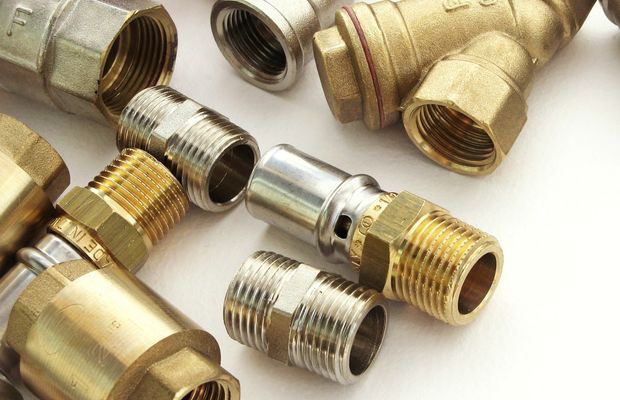
Beginners Guide: 1/4 Inch Distribution Tubing For Drip Irrigation

Turn Your Sprinkler Controller Into A Smart Controller

5 Signals You Are Underwatering Plants