5 Tips To Grow Great Onions
An onion decides when to stop growing leaves and start making a bulb by counting hours of daylight. Get that right, keep the top few inches of soil evenly moist, and most of the work is done.
Published 4 min read
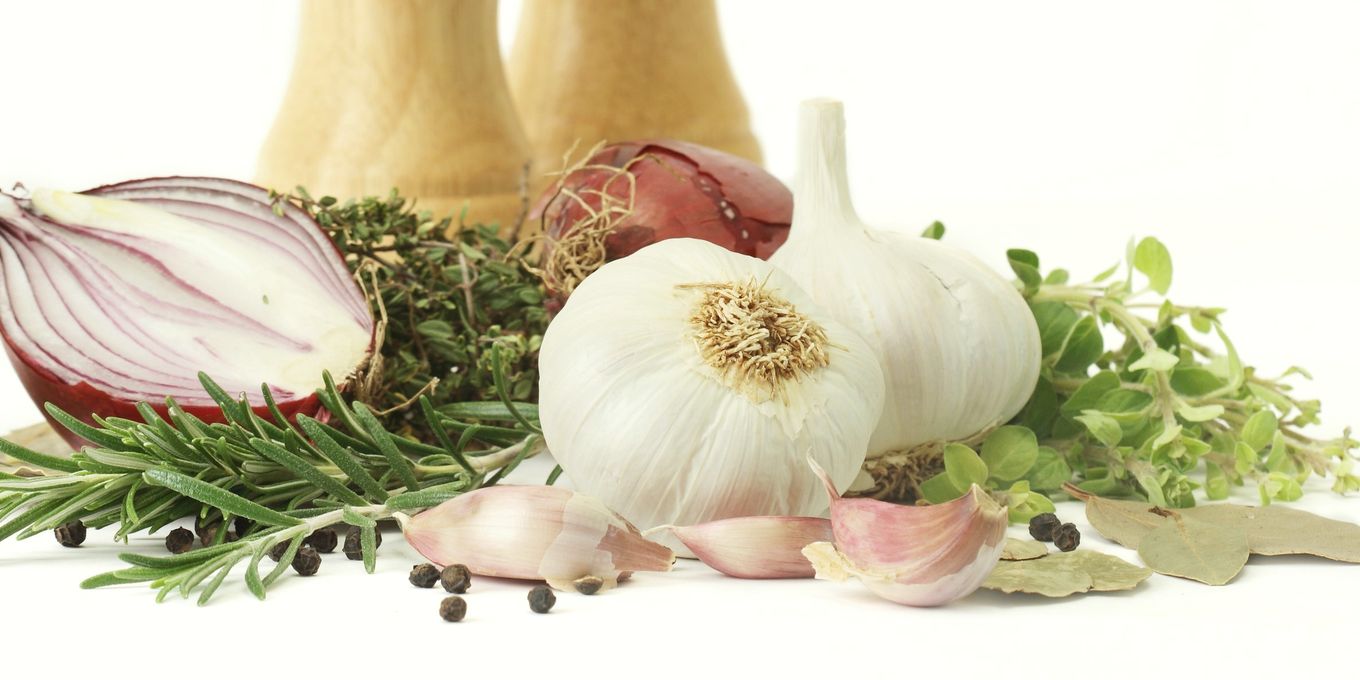
Onions are among the easiest vegetables to start and among the easiest to get wrong. They grow in anything from sandy loam to heavy, organic soils, and they ask for little space. What they do not forgive is the wrong type for your latitude, a dry spell at the wrong moment, or too much nitrogen late in the season. October is a good month to think about them: across much of the South it is planting time, and in the North it is the time to order seed and plan beds for spring.
1. Match the onion to your day length
Garden onions are biennials. In their first season they grow leaves, then switch to building a bulb that would carry the plant through to flowering the following year. The signal for that switch is the length of the day. Short-day onions start forming bulbs when days reach about 10 to 12 hours, intermediate types at 12 to 14 hours, and long-day onions at roughly 14 to 16 hours.
That is why the choice is regional. In the northern states, summer days are long, and long-day onions have time to grow a full set of leaves before they bulb. Plant a short-day onion there and it will bulb almost immediately, while the plant is still small. In the South the opposite problem occurs: summer days never get long enough to trigger a long-day onion, which keeps growing leaves and never forms a proper bulb. Washington State University Extension advises gardeners in that state to buy long-day cultivars only, and southern extension services give the reverse advice. Intermediate types suit much of the middle of the country.
Leaf count matters because each leaf corresponds to a ring in the finished bulb. The more leaves a plant has made before bulbing begins, the bigger the onion.
2. Plant at the right time and depth
Onions can be started from sets, which are small bulbs grown the year before, from transplants, or from seed. Sets are the simplest. Choose sets smaller than a dime; larger ones are more likely to bolt, sending up a flower stalk instead of finishing a bulb. Large sets are better used for green onions. In the North, sets go in as early as the soil can be worked in spring, about an inch deep and 3 to 4 inches apart, in rows 12 to 15 inches apart. Seed is sown half an inch to an inch deep and thinned to the same spacing.
In mild-winter areas of the South, short-day onions are planted in fall or winter so that the plants build leaves through the cool months and bulb as days lengthen in spring. Keep transplants for this purpose no thicker than a pencil. A larger plant that goes through a cold winter is likely to treat that cold as its signal to flower in spring.
Grown from sets, dry bulb onions take roughly 90 to 100 days; from seed or transplants, 100 to 120 days.
3. Water little and often, then stop
Onion roots are shallow and sparse, with no taproot to reach deeper moisture, and they compete poorly for water. The goal is evenly moist soil from planting through bulb formation. If the soil dries out, onions tend to start bulbing early and finish small. As a rule of thumb, garden onions need about an inch of water a week from rain or irrigation, applied in amounts the soil can absorb without puddling around the bulbs.
Drip lines or soaker hoses laid along the rows suit onions well. They deliver small amounts of water frequently, keep the narrow leaves dry, which reduces foliar disease, and leave the soil between rows dry, which means fewer weeds germinating there. A layer of organic mulch helps hold moisture in the top inches.
When the bulbs are nearly full size and the tops start to soften and fall over, cut back the water. Bulbs that sit in wet soil as they mature store poorly and are more prone to rot.
4. Keep weeds out and feed with care
Upright, narrow onion leaves cast almost no shade, so weeds overtake them quickly. Shallow hoeing or hand pulling is safer than deep cultivation, which damages the roots near the surface.
Onions need a good supply of nitrogen early in the season, but too much, or nitrogen given late, delays maturity and produces soft bulbs with thick necks that do not keep. A soil test before planting shows what the bed already holds, and many soils carry plenty of potassium and phosphorus without additions. Most guides stop nitrogen once bulbs begin to swell. When using any fertilizer, follow the label rate, wear gloves when handling granules, water it in, and store the bag where children and pets cannot reach it.
Rotate onions, garlic and leeks to a different bed for two to three years to limit diseases that build up in the soil, and watch for thrips, which leave silvery streaks on the leaves.
5. Let them finish, then cure them
Onions are ready when most of the necks have softened and the tops have fallen over on their own. Pushing the tops down early does not make bigger bulbs and can bruise the necks, which invites rot. Pull the bulbs and lay them in a shaded, airy spot until the necks are dry and the outer skins papery, which usually takes about a week to ten days in warm, dry weather. Then trim the tops and store them in mesh bags somewhere cool and dry.
Not every onion keeps. Mild sweet onions have a high water content and are best eaten within weeks. Pungent yellow storage types keep longest, followed by red and white types, and well-cured bulbs of a good storage cultivar can last for months.